|
THE BARRIO FAMILY, A NOBLE FAMILY IN VILLAFÁFILA SINCE THE 15TH CENTURY |
|
|
|
|
|
|
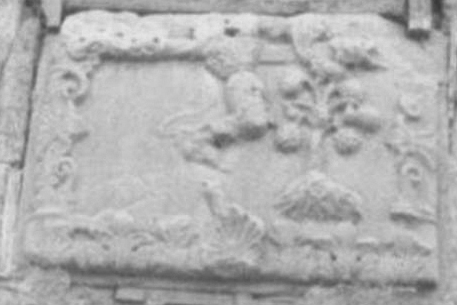
The Barrio family were noblemen. The first Barrio to arrive in Villafáfila was Martín de Barrio, a servant of the Count of Benavente, originally from the Sanabria region or nearby. He married and settled in Villafáfila in the mid-15th century, and died in 1473. He was buried in an alabaster tomb in the church of San Martín . He had numerous male descendants who served the Pimentel family and were always loyal. The most prominent member of the family was the Counts of Benavente, whom he accompanied on his military campaigns. Among them was Pedro Pimentel, Lord of Távara and brother of the Count of Benavente. Later, the Barrios continued to serve faithfully another branch of the Pimentel family, under Bernardino Pimentel y Enríquez [1] , (Villafáfila around 1430? - 1517 Villafáfila) 1st Marquis of Távara ( son of D. Pedro Pimentel, who forcibly occupied the town, in the name of Count D. Rodrigo, from 1470 to 1497) because in 1542, he obtained by way of purchase from His Majesty Charles V, the lordship, jurisdiction and incomes of Villafáfila and its land by paying 13,634,186 mrs. The occupation of Villafáfila by the 4th Count of Benavente, Rodrigo Alonso de Pimentel Quiñones [2] , 1st Duke of Benavente, who gave Villafáfila to his brother, Pedro Pimentel y Quiñones [3] , Lord of Távara, was not strategic, as would have been the case with occupying Castrotorafe, with its fortress and stone walls, in good condition, unlike those of Villafáfila, which were made of earth and were already semi-ruined at that time; but primarily economic, since the town was experiencing, in the second half of the 15th century, the news of which spread to the nearby regions: “Juan Gómez, a resident of Valcavado, said that he knows that some of the residents of the town of Villafáfila are much richer and more wealthy than those of the town of Alixa and its land, and he knows this because this witness lived in the town of Villafáfila for about forty years [1470], and he knew men in the said town that one of them could buy the estate of two of the richest residents of the town of Alixa” [4] . It was the result of an agreement between the two, established by a deed signed by both brothers on November 30, 1470 [5] . Therefore, Don Pedro handed over to the Count his town of Almança with its fortress, land, jurisdiction, taxes, and rights, in exchange for receiving from the Count, within two years, an equal amount in terms of income, jurisdiction, and vassals elsewhere. By this agreement, the Count received from Don Pedro the town of Almança and the village of Pobladura, which he had possessed since the death of his first wife, Doña Francisca de Almança (this occupation lasted until 1497, but Villafáfila would then fall under the influence of the Pimentel family through the Counts until its sale in 1541). “The said lord Don Pedro had and possessed the town of Villafáfila in the name of the Count of Benavente and when the said town of Villafáfila was taken from him by our lord the king as master of the order of Santiago, the said lord Don Pedro returned and reinstated the said places of Pobladura and Almança . ” Under the patronage of the Pimentel family lived in Villafáfila several squires and servants whom he exempted from taxes and allowed to participate in the distribution of municipal lands and take the best plots. These included the Collantes, Mezquita, Robles, and Barrio families, who came from the house of the Counts of Benavente or other parts of the county, and others like Melgar, Movilla, and Villacorta, who had previously served Don Pedro in the lands of Távara. In 1494, the taxpayers of Villafáfila complained: “We were also complained about by the commoners in that town, many of whom live who claim to be gentlemen, servants of the Count and Don Pedro, who number thirty residents and are very rich, and these buy the estates of the commoners and the said gentlemen do not contribute for them, nor is the amount taken from the commoners, so that in ten years the commoners will be left without estates and will pay as if they had them, so that the town will be lost if it is not remedied by ordering that the gentleman who buys from a commoner pay for it, and thus they beseech their highnesses” [6] . These gentlemen who were under the Pimentel family's influence accompanied Count Pedro Pimentel on his military campaigns and received a sum of money in exchange for being themselves, or a predetermined number of their men, available for combat and at the Pimentel family's behest.
In these references we see how the Barrios were at the service of the Pimentel family. During the tenure of Don Pedro Pimentel, he was the one who collected the sales taxes of Villafáfila, always acknowledging their ownership by his brother, the Count. Sometimes he did so through private tenants, and other times, as in 1496, the Villafáfila council leased them out. “From you, Sancho de Saldaña, resident of the town of Benavente, accountant of the lord Don Pedro Pimentel, tenant of the town of Villafáfila and its land and revenues thereof, by the very great lord Don Rodrigo Alonso Pimentel, Count of Benavente, ... the revenues of the sales taxes of the town of Villafáfila and places of its land that belong to the said lord Count of Benavente, according to what they usually go and rent in past years, and without the toll and castle tax, which also belongs to the said lord Count, and with the mountain and pastureland that belongs to the said lord Don Pedro, for three completed years that began on the first day of the month of January of this present year of one thousand four hundred and ninety-six and will be completed at the end of the month of December of the coming year of ninety-eight, for the price and amount of three hundred and fifty-four thousand mrs in each of the said three years, namely, for the reason of the said sales taxes three hundred and seven thousand mrs and for the reason of the mountain and the valley forty and seven thousand mrs, without the said toll and castle, and also the orders of wax and tallow and chickens and salt and other things, with which Enrique de la Vega, resident of the said Villafáfila, had them leased this year of the date, two years... paid in this way: each month twenty thousand mrs for the store of the said lord don Pedro and the remainder for the thirds of each year.” The council had sent a request to seize the sales taxes . In Don Pedro's reply letters to the council: “Mayors, councilors, officials, friends. Your petition I saw which should come signed by the council scribe because according to the matter, it would be necessary,” The lease is conditional upon Luis de Barrio, Villacorta, Pedro de Porras, and Pedro Martínez, who were presumably the wealthiest residents, but were likely unwilling to risk their assets, so the council requires that the guarantors be farmers: “My good friends, the council, mayors, aldermen, procurator and good men of the town of Villafáfila... I receive a letter regarding the sales taxes... and what you say that I should write to those four guarantors that I named, it does not seem reasonable to me that I should have to ask the one who is to be a guarantor to do it... as for what you say that, if they do not want to, you will give me guarantors who are farmers, I would very much like these to be them, but so that you may believe that it is my favor that you take them, it pleases me that they not be these, but rather Pº Martínez and that other Pº Martínez and Alonso Manso and Diego García.” The reinstatement of the town to royal jurisdiction and the encomienda of Castrotorafe in 1497 provoked an attempt by the residents to evade the payment of these sales taxes and other royal rents to the count, despite the agreement established between him and the council for the year 1498. In April, the count required the residents to go to his accountants with the amount of the first third: “Council, mayors, councilors and procurator of the town of Villafáfila, special friends, you already know what was agreed and arranged here with the persons you sent in the name of this council, concerning the sales taxes and the agreement on how they are to be paid from now on and to name the receiver who is to collect them, I send Pº Gomes, my accountant, I earnestly beg you to give and deliver it to him and let it be done, so that our lord may keep you in his care. From Benavente on the nineteenth of April. The Count . ” The neighbors said they wanted to give and pay the sales taxes to the count, but that he had to give them guarantees that they would not have to pay them twice, in case they were claimed by their highnesses, and other neighbors did not want to pay them even with guarantees, until they received an order from the court: “Father Glez, Alonso de Caramaçana, Father Mtz de Santa María and Alonso de Santa Cruz, with them and all the other farmers and good men who were found in the said council, said in voices and in silence that they would not pay the said sales taxes without seeing the commandment of their highnesses . ” After eating, the mayors, councilors and procurator met in the church of San Martín, with the procurators of San Agustín and Revellinos, and together they said that they were ready to pay the sales taxes to whoever showed a mandate from their highnesses and in no other way. On May 2nd, Luis de Barrio appeared before the mayors, on behalf of the count, and asked them: “that they hand over the people who say they do not want to pay the alcabala to his lordship, since the third they have to pay is already paid, and that if they did so they would do what they owed... the said mayors said that they were ready and prepared to pay his lordship what is due and what should be due to them... and those who do not want to pay, they do not dare nor can hand them over because they say that they would defend their belongings ,” that is, that many neighbors would oppose it by force [8] . The count had to use his influence at court to get the kings to issue a decree ordering the residents of Villafáfila to pay him the sales taxes, and on May 26, 1498, the Kings sent a provision from Sigüenza to the council, mayors, aldermen, officials, and good men of Villafáfila: “because we are on our way and our chief accountants are absent, we could not for now provide to whom and in what manner you have to collect with the sales taxes and other our royal revenues of the said town of Villafáfila this present year and from now on, and because, while we order to provide as our service may be, it is our command that no innovation be made in the payment and collection of the said sales taxes and other our revenues of the said town to whom and according and in the manner that you have given and paid it in past years, without any innovation in any of it and do not make any in it” [9] .
Without granting any concessions or relinquishing their rights, the monarchs effectively allowed the count to continue collecting his rents in Villafáfila until a final decision was reached regarding the matter. Therefore, the residents had no choice but to pay the count the aforementioned rents. “This said town, which last year and ninety-eight years ago the council of this town and land, its inhabitants and residents, had come and paid the sales taxes to the said count, Luis de Barrio in his name, and they paid them by reason of a decree signed by their highnesses which the said Pº Gómez accountant showed and presented in the plaza of this said town in council .” That year the receiver of the sales taxes in Villafáfila was Martín de Barrio. Martín de Barrio (Sanabria region or nearby? – 1473 Villafáfila). = ¿? Villafáfila before 1453. He was a nobleman who had arms and a horse and served the Count of Benavente and married a daughter of Doña Blanca, Lady of Uña, (with Doña Beatriz Núñez de Barrio), He considered Martín de Barrio his son, who went with the Count of Benavente to a war in Galisya, and there the said Count took from the Count of Lemos a fortress called Santdianes, and left the said Count de Cabañas as warden, and there he died and this time he did not see him again. And the said Martín de Barrio returned here afterwards and got married in Villafáfila, and lived there and afterwards I did not see him except once in V[él]ez Malaga when he went to war with the said count” and “that it may have been fifty years [1474] more or less since I began to know the said Martín de Barrio, father of the one who contends that he was in Villafáfila living with Don Pedro Pimentel” [10] . Some gentlemen, such as another Martín de Barrio: “ Son of Lope Núñez de Barrio, died in Sanabria, ordered to be buried here. On the twenty-second of September, 1478. ” He was the uncle of the previous one and therefore the son of Doña Blanca, lady of Uña. From what has been internalized, we can deduce from Martín Barrio: His paternal grandparents were Antonio de Cabañas, who married in San Pedro de Ceque (belonging to the Count of Benavente). He was a nobleman who owned arms and a horse and served the Count of Benavente. He married Beatriz Núñez de Barrio, a daughter of Blanca, Lady of Uña (formerly Uña de Quintana del Marco). The Count of Benavente, in conflict with the Count of Lemos, seized a fortress belonging to the latter called Santdianes in Galicia and left him as its warden, where he died. Son of Lope Núñez de Barrio who died in Sanabria, ordered to be buried there, on the twenty-second of September 1478. Martín de Barrio fought on behalf of the Count of Benavente in the conflict he had with the Count of Lemos in El Bierzo and Galicia, and later accompanied Don Pedro Pimentel, Lord of Távara (brother of the Count and the one who held the position on behalf of the Count of Villafáfila), to the War of Granada, in the capture of Vélez-Málaga. He came to live in Villafáfila in the mid-15th century, where he married before 1453 and was always considered a servant of the Count of Benavente. He and his sons, who owned estates, saltworks and livestock, always remained loyal to the Pimentel family, and were their representatives in the town, or administered some of their income, and his grandsons at the beginning of the 16th century, served as pages in the Count's house. One of his sons: 1 Luis de Barrio “el Viejo” (Villafáfila ¿? - Villafáfila ¿?). =Leonor de Hormaza, (Zamora - ¿?). Leonor had connections with various key figures in the early years of American colonization. She was the daughter of Álvaro González Borregán and María Costilla, residents of Zamora, and a relative of Rodrigo de Figueroa, who had been Alcalde Mayor in Villafáfila and was appointed governor of Hispaniola in 1518. In 1510, Diego Costillas, son of Juan de Hormaza and Beatriz de Mella, cousin of Captain Luis de Barrio de Hormaza and his brothers, had traveled to the Indies.
1.1 Luis de Barrio de Hormaza “The Captain” (Villafáfila, 1590s - late 1526 or early 1527, New Spain).
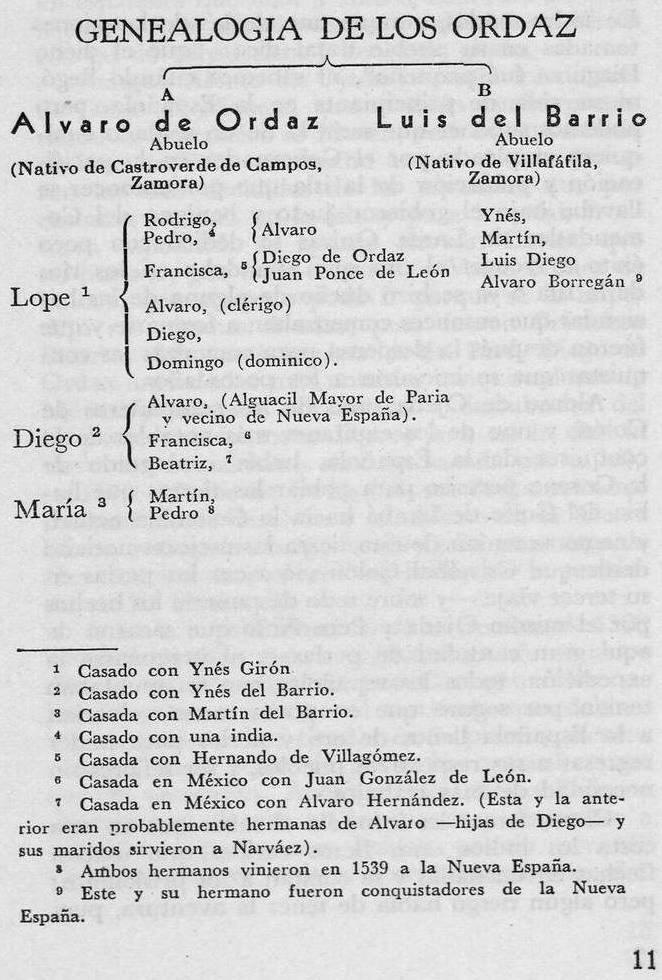
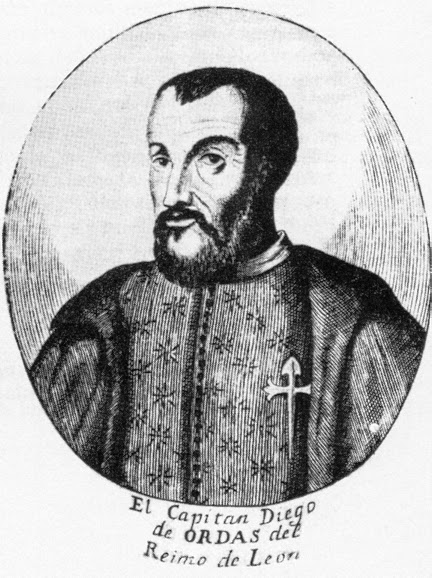
On his siblings' side, Martín Barrio de Hormaza, married to María de Ordás, and Inés Barrio de Hormaza, married to Álvaro de Ordás, both from Castroverde, related to Commander Diego de Ordás, one of the first conquerors of Mexico, must have had a lot of contact and information about his adventures in the New World.
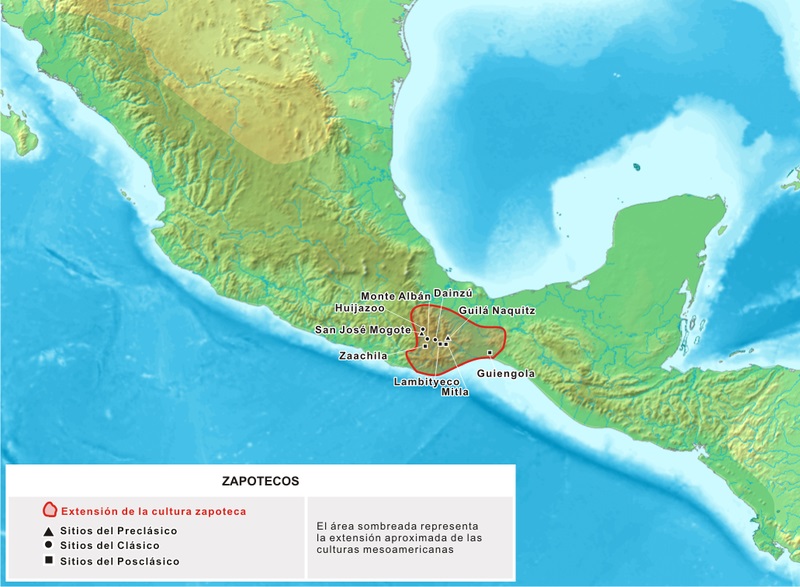
All of this motivates him to embark on the American adventure to achieve fame and fortune. We have no record of his embarkation date for the Indies, as he does not appear in the catalog of passengers to the Indies, but his departure must have taken place in the year 1525. Before September 3, 1525, Cortés sent the following to the Zapotec province: “three captaincies of people who enter it from three parts ” [11] , and before 1527 he had already died (Bernal Díaz del Castillo). We have various references to her origin, her trajectory and her destiny from an investigation carried out in Castroverde de Campos at the request of her nephew, Álvaro de Ordás, in 1533, with the aim of presenting her at court to obtain some ecclesiastical benefit in the Indies [12] . This Álvaro de Ordás [13] was the son of Diego de Ordás, a nobleman from Castroverde, related to the conquistador of the same name, and Inés de Barrio de Hormaza, a native of Villafáfila, daughter of Luis de Barrio the Elder, and therefore sister of the captain. Álvaro's fate was also to die young on a voyage from Peru to Nicaragua in 1543, when his mother claimed the inheritance he had left in the New World [14]. He must have been born in the 1590s and served the king in the Revolt of the Comuneros: “ He was a captain in these kingdoms during the time of the Communities ,” Juan Zapata, 60 years old: “He knows and saw that the said Luis de Barrio in the time of the communities was called captain of certain soldiers and this witness saw him coming to this town (Castroverde) ” . “ He met the said Luys de Barrio while serving as captain of the Guards in Italy .”
With this military career he negotiated a provision at court to go to the Indies : “With provision and license from His Majesty, which he negotiated, he went to serve him in the Indies and New Spain, where he was provided as captain by Hernando Cortés, governor of the said land” and in it the king “ commanded him to give him charge according to the provision of His Majesty, and according to his person and the great service he had given him in these parts ,” as Miguel Rodríguez of 57 years relates: “ He saw a letter from the said Luys de Barrio by which he said how His Majesty should provide him with powers to go where Hernando Cortés was in the Indies and this man saw that in the same letter it said that His Majesty commanded Hernando Cortés to give him charge where his person had something to do with it, because he had served him here and because there was not at present to give him charge .” An obligation is recorded on November 30, 1525: “by Luis de Barrio, shelf in Tenustitán” of acknowledgment of a debt incurred, possibly to settle in the city [15] . In 1526, a Luis de Barrio appears as a councilman of the city of Mexico, so it is assumed that the aforementioned letter had its effect [16] . His stay in New Spain was brief, for he soon met his death: “The said Hernando Cortés sent him as captain to the conquest of the Zapotecs and Mijes, who were mountains and harsh people, where he was killed when some Indians came out to resist him, and because he was not one of his own, he was helped so quickly . ” “The said Captain Luis de Barrio was not given any other Indians nor any allotment in the said New Spain, nor any other favor or remuneration for his services that he rendered, nor any salary or allowance in the said parts for what he served in these kingdoms and in the said islands because death preceded him . ”
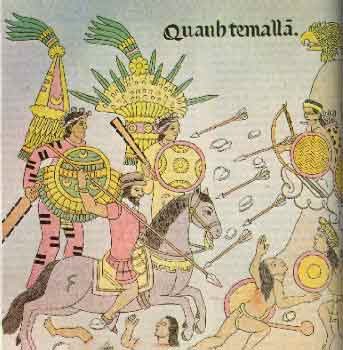
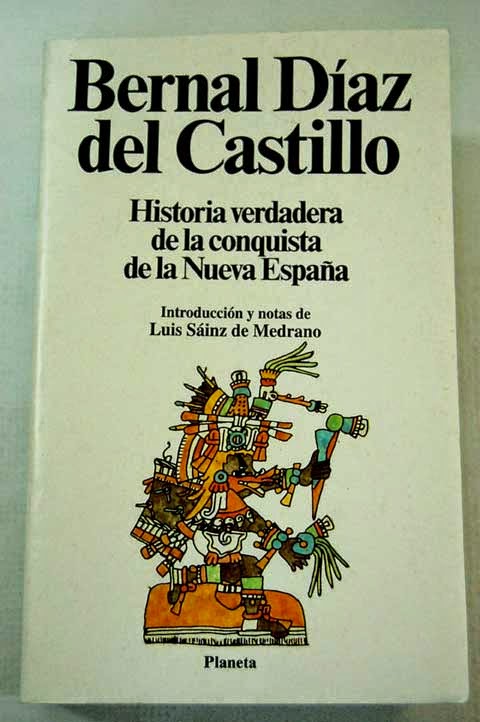
His presence in Mexico is traced by other testimonies, one as authoritative as that of the chronicler from Medina, Bernal Díaz del Castillo [17] , (the treasurer Alonso de Estrada, at the time governor of New Spain, while Cortés was under interdict): “ He sent men to conquer and pacify the Zapotec and Miguese peoples, and instructed them to go in two directions so that they could better win them over peacefully. To the north, he sent a man named Barrios, who they said had been a captain in Italy and was very valiant, and who had recently come from Castile to Mexico—I'm not referring to Barrios of Seville, Cortés's brother-in-law—and gave him one hundred soldiers, many of them arquebusiers and crossbowmen. When this captain and his soldiers arrived at the Zapotec villages, called Tiltepeques, one night the native Indians of those villages came out and attacked the captain and his soldiers. They attacked so suddenly that they killed Captain Barrios and seven other soldiers, and wounded most of them. If they hadn't quickly fled to Villadiego and sought refuge in peaceful villages, they would all have died there. You'll see how far the old conquistadors have come.” to those newly arrived from Castile, who know nothing of Indian warfare or their cunning. This is where that conquest ended .”
We also find information about our subject, whom they call Captain Barrios, in the accounts of the merits of some participants in the conquest of Mexico. This is the case, for example, in the account of Francisco de Torres. “Captain Barrios had first gone to conquer the said land and was killed by the war Indians” [18] . “It is true that the said Captain Barrios was killed by the native Indians of the said province and that the said land of the Zapotecs is very rough and rugged and in such a way that one cannot ride a horse “in the town of Teutalcingo [19] where the said Captain Barrios was killed” .
The death of Captain Luis de Barrio must have occurred at the end of 1526 or the beginning of 1527, and since he died poor, his burial, interment, and masses were paid for by the administrator of Diego de Ordás in Mexico , although he kept his clothes as the only possessions he left in that land to which he went in search of honor and wealth.
Upon learning of his death, some relatives departed for New Spain. Thus, on March 21, 1528, his brother embarked from Seville: 1.2 DIEGO DE BARRIO de Hormaza (Villafáfila ¿? - died in New Spain + of 1528). He embarked on 21-03-1528 [20] to New Spain and his destination was the same as that of the brother of Captain Luis de Barrio de Hormaza.
On that same day, his nephew Álvaro de Ordás embarked, the one who, 5 years later, made the report of his merits. They are accompanied by other young residents from Castroverde, Villanueva, Villagrá and Villalón. The passage of both was paid on behalf of Diego de Ordás, the conqueror, because before the young men embarked, his brother Álvaro de Ordás, a clergyman, made an obligation for the cost of the passage and other baggage for Diego.
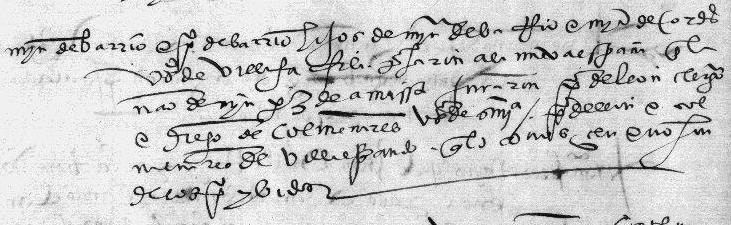
And their administrator in Mexico takes care of the debt when they arrive:
1.3 ÁLVARO BORREGÁN (Villafáfila ¿? - ¿? Died in America) He was the brother of Luis and Diego de Barrio de Hormaza, and he too would go on the conquest, dying young in America. We have no record of his embarkation, although he possibly sailed alongside his brother Diego de Barrio de Hormaza. They were possibly related to Alonso Borregán, who participated in the conquest of Peru, since another brother of these who remained in Castile changed his surname from Alonso de Barrio to Alonso Borregán. Inés, like Martín, Barrio de Hormaza, married two Ordás brothers, sons of Álvaro de Ordás, from Castroverde, related to Commander Diego de Ordás [21] , one of the first conquerors of Mexico. 1.4 Inés Barrio de Hormaza (Villafáfila ¿? - ¿?) = married to Diego de Ordás (Castroverde ¿? -¿?) 1.4 Martín Barrio de Hormaza =married to María de Ordás (Castroverde ¿? - ¿? Villafáfila) 1.4.1 Luis de Barrio Ordás, priest of the parish of Santa María del Moral de Villafáfila. 1.4.1 Álvaro de Barrio Ordás, canon of the convent of San Marcos de León. 1.4.3 MARTÍN DE BARRIO Ordás (Villafáfila ¿? – Villafáfila ¿?) 1.4.4 PEDRO DE BARRIO Ordás [22] “el Perulero” (Villafáfila ¿? - 1562 Villafáfila) sons of Martín de Barrio and María de Ordás, residents of Villafáfila. His kinship with the commander Diego de Ordás, whose estate in Mexico was inherited by a nephew of the same name, and the unfortunate fate of his uncles, would have influenced the decision to go to America. Martín and Pedro BARRIO Ordás on 07-28-1539 [23] , they embarked for New Spain on Martín Pérez's ship.
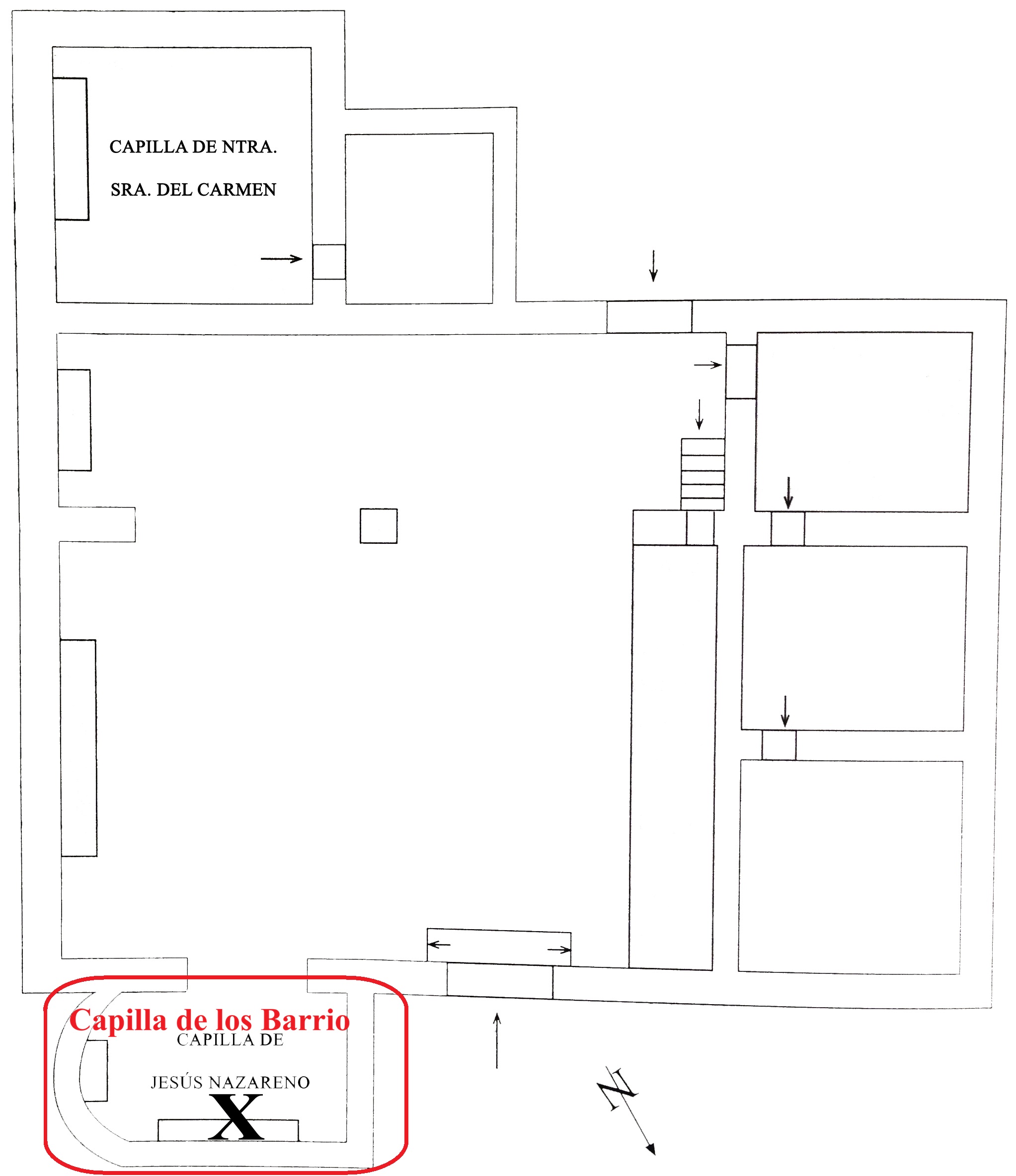
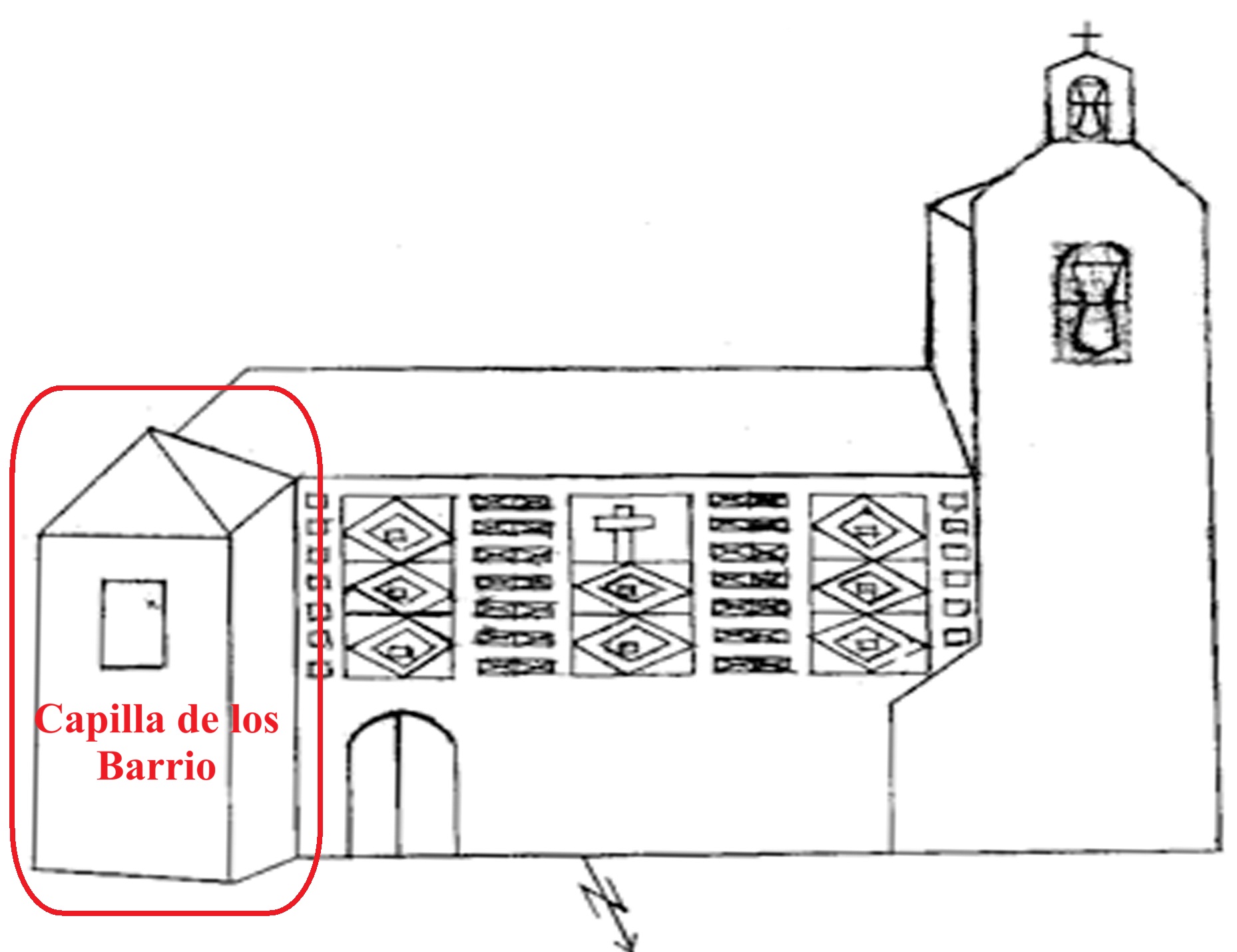
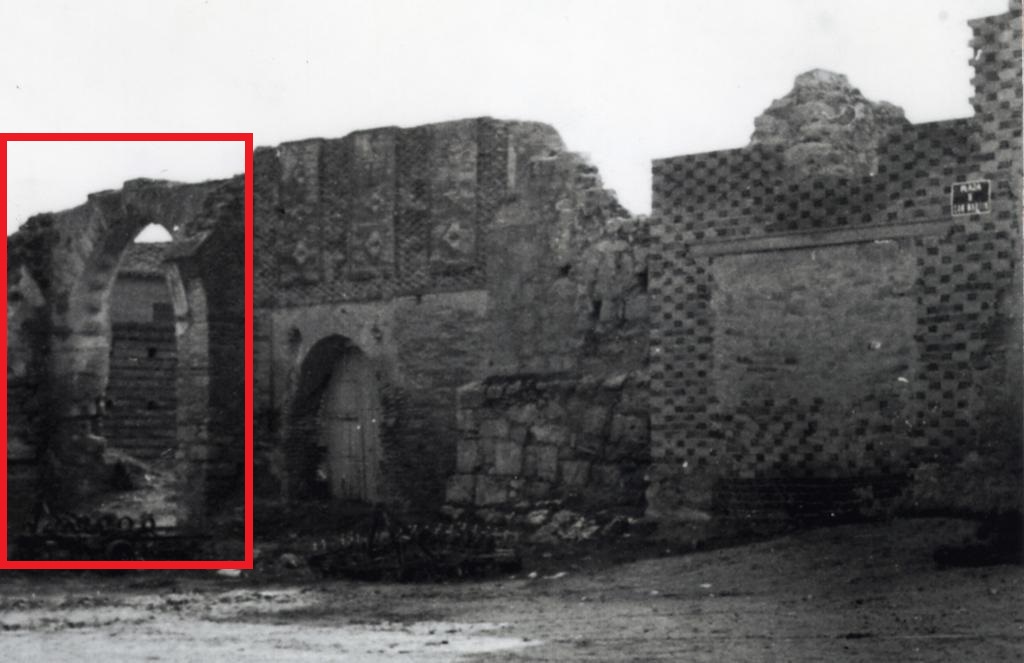
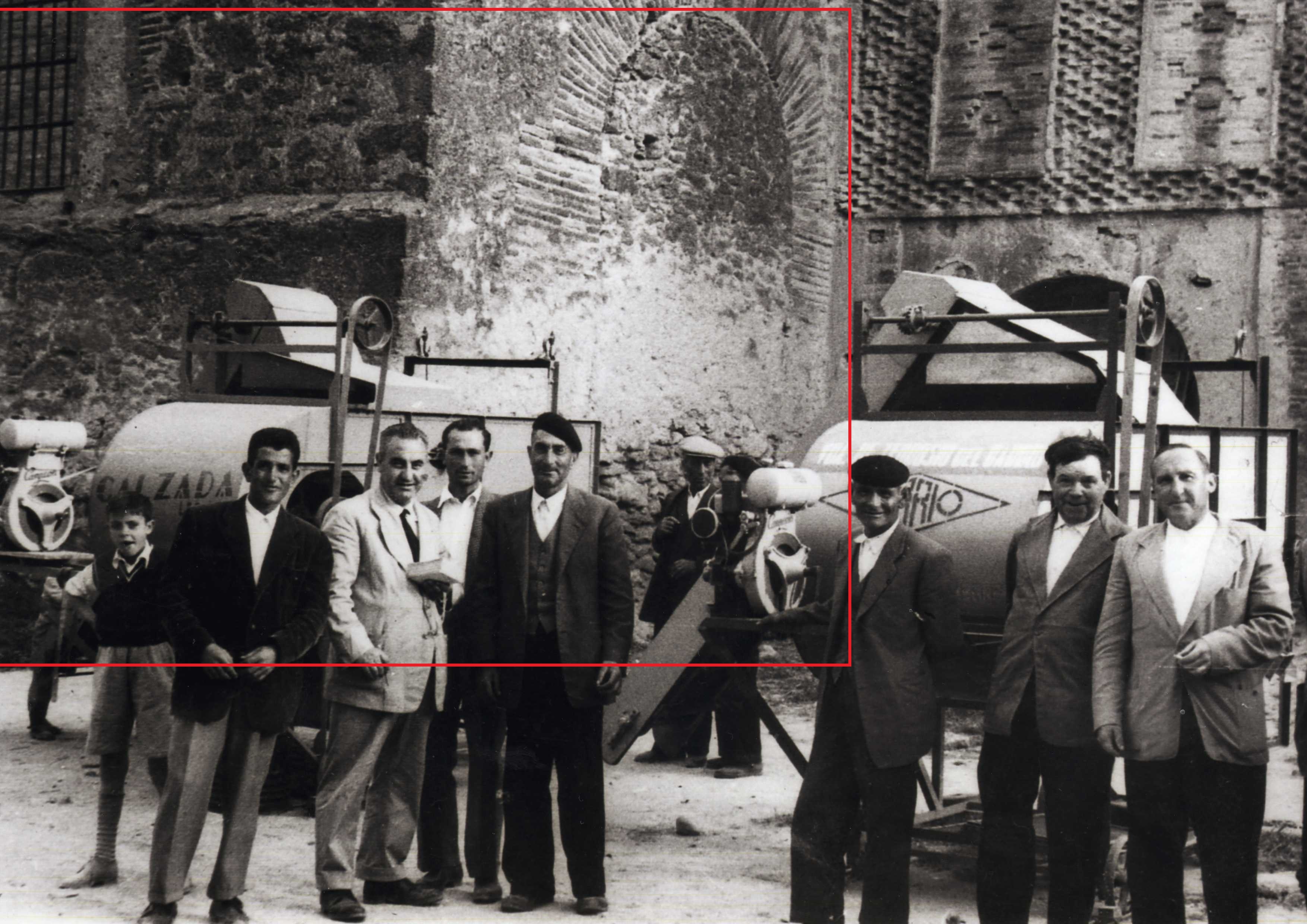
Pedro de Barrio Ordas is the only passenger to America of whom we have records of returning to his hometown, wealthy over the years. In the town he is known as El Perulero. “ for having come from the Indies and bringing a large amount of property in silver bars, coins and much wealth .” We know that, at his death in 1562, he was married to a neighbor from Villalpando, but he had not produced any offspring. In his will, granted before the notary of Villafáfila, Juan Pérez Vaca, he left about 1000 ducats, which could be worth a fifth of his assets, for the founding of a chaplaincy for masses in the parish of San Martín de Villafáfila. His brothers, Luis de Barrio, priest of the parish of Santa María de Villafáfila, and Álvaro de Barrio, canon of the convent of San Marcos de León, ordered the construction of a chapel attached to the church of San Martín, where they endowed three chaplaincies to be served by clergymen related to the founder. He had three chaplains, one of whom was the head chaplain. It was a presentation of the Barrios family.
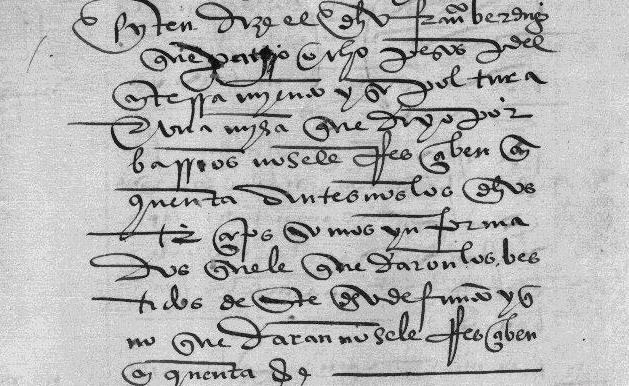
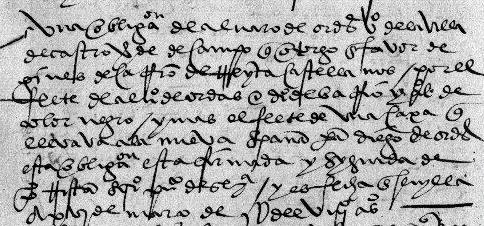
The chaplaincy had an income of 300 reales for each chaplain and as a burden 25 masses per year for each of them. His estate consisted of a Census and 22 and 1/2 charges, distributed in 21 properties [24] .
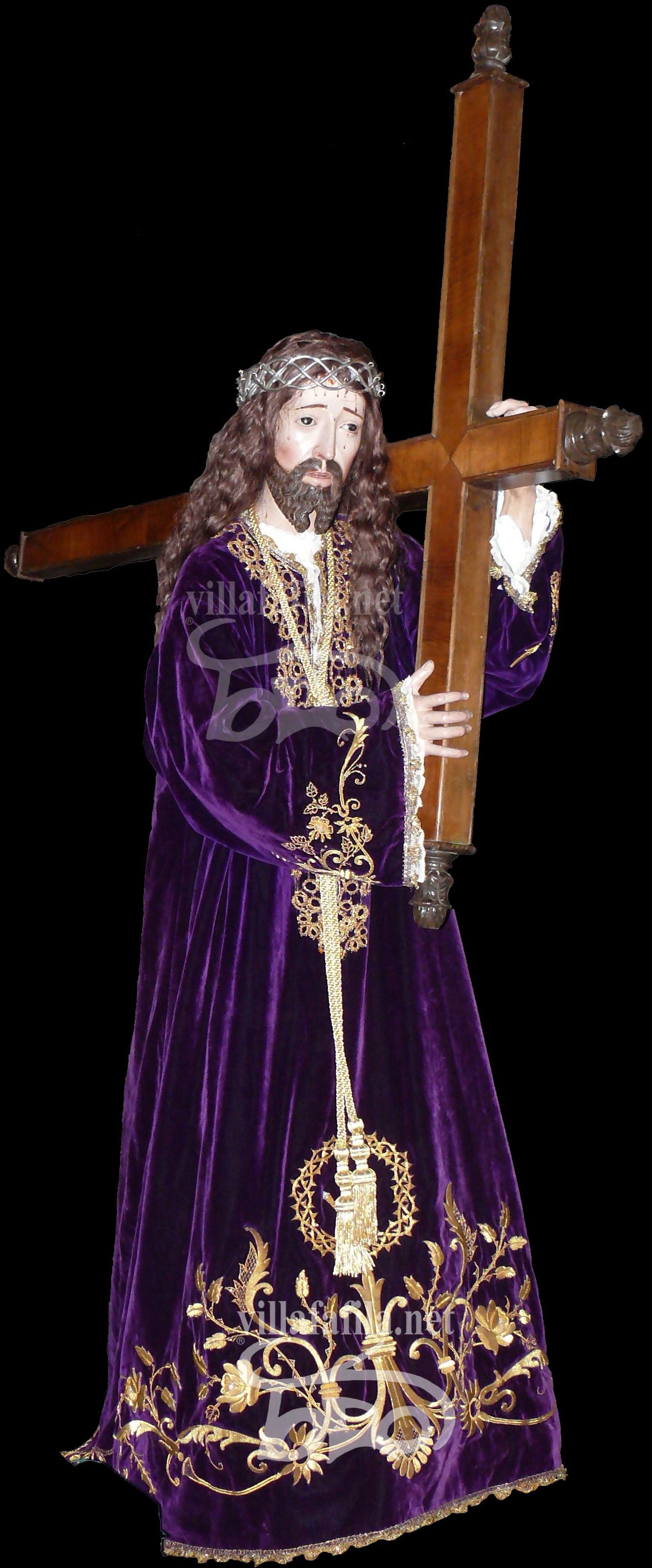
This chaplaincy was based in the chapel of Jesus of Nazareth and his image.
José Luis Domínguez Martínez. ©villafafila.net ®villafafila.net bull
This work is a compilation of data and studies related to the Barrios, from the various works and studies by Mr. Elías Rodríguez Rodríguez, which refer to the Barrios, as well as a small reference by Mr. Camilo Pérez Bragado, and other data obtained.
Biography – Text:
Elias Rodriguez Rodriguez: Interventions and interests of the Counts of Benavente in Villafáfila in the 15th and 16th centuries. Yearbook of the Florián de Ocampo Institute of Zamoran Studies, ISSN 0213-8212, No. 14, 1997, pp. 487-512. villafafila.net - http://villafafila.net/condesbenavente/condesbenavente.htm
Elias Rodriguez Rodriguez: Luis de Barrio, a captain from Villafáfila, who was killed by the Indians of Mexico. historiasdevillafafila.blogspot.com https://historiasdevillafafila.blogspot.com/2014/08/luis-de-barrio-un-capitan-de.html
Elias Rodriguez Rodriguez: The gentry of Villafáfila in the 15th and 16th centuries historiasdevillafafila.blogspot.com https://historiasdevillafafila.blogspot.com/2016/04/los-hidalgos-de-villafafila-en-los.html
Manuel de la Granja and Camilo Pérez Bragado: Villafáfila: History and current state of a Castilian-Leonese town and its parish churches. 1996. pp. 444 and 445.
Casiano García OESA Life of Commander Diego de Ordaz, Discoverer of the Orinoco Editorial Jesús, Mexico, 1952. https://bibliotecadigital.jcyl.es/i18n/catalogo_imagenes/grupo.cmd?path=10071848
ES.41091.AGI//CONTRATACION,5536,L.2,F.93(9) Casa de la Contratación de las Indias (Spain) Passenger Seat Books Villafáfila. http://pares.mcu.es/ParesBusquedas20/catalogo/description/5465774?nm
ES.41091.AGI// CONTRATACION,5536,L.5,F.188V(5) Casa de la Contratación de las Indias (España) Books of passenger seats New Spain (viceroyalty, former jurisdiction) Villafáfila http://pares.mcu.es/ParesBusquedas20/catalogo/description/6063694?nm
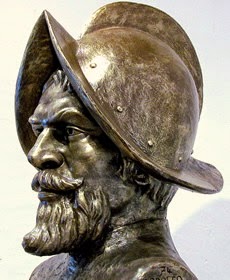
Photographs: Elias Rodriguez Rodriguez. General Archive of the Indies: CONTRATACION,5536,L.2,F.93(9), CONTRATACION,5536,L.5,F.188V(5) https://es.wikipedia.org/wiki/Diego_de_Ordás#/media/Archivo:Ordaz.jpg https://upload.wikimedia.org/wikipedia/commons/0/06/Retrato_de_Hernan_Cortes.jpg Transcription, assembly and layout: José Luis Domínguez Martínez.
All text, photographs, lithographs, transcription, assembly and layout, the rights belong to their authors, any type of use is prohibited without authorization.
All text, photographs, and lithographs have been authorized for storage, processing, work, transcription, assembly, and layout by José Luis Domínguez Martínez, and their dissemination on ©villafafila.net ®villafafila.net toro, and any other media that the authorized party deems appropriate.
[1] Bernardino Pimentel y Enríquez (c. 1430–1517, Villafáfila), 1st Marquis of Távara. Son of Pedro Pimentel y Quiñones, Lord of Távara, and Inés Enríquez de Guzmán. Grandson of Rodrigo Alonso de Pimentel Quiñones, 4th Count of Benavente and 1st Duke of Benavente. Husband of Constanza de Bazán Osório, Marchioness of Távara. Father of Pedro Pimentel y Osorio, 2nd Marquis of Távara; Juana Pimentel; and Inés Pimentel y Castro. Brother of Ana Pimentel y Enríquez and Leonor Pimentel. The Marquisate of Távara was created in 1541 by Charles I for Bernardino Pimentel y Enríquez, Lord of Villafáfila. [2] Rodrigo Alonso de Pimentel Quiñones (1445 Villa de Benavente-September 4, 1499 Benavente). 4th Count of Benavente, 1st Duke of Benavente, 3rd Count of Mayorga. Son of Alonso de Pimentel y Enríquez, 3rd Count of Benavente, and María Virgil de Quiñones Toledo. Husband of María Luisa Pacheco Portocarrero, 6th Lady of Moguer. Partner of Catalina Rodríguez de Cabrera and Leonor II de Pimentel. Brother of Juan Pimentel, Lord of Allariz, and Pedro Pimentel, Lord of Távara. Half-brother of Juan Alfonso Pimentel Quiñones, or das Grotas Fundas; Leonor Pimentel y Quiñones; Diego Carrillo de Mendoza, 3rd Count of Priego; Francisco de Mendoza y Quiñones; Hurtado de Mendoza; Elvira de Mendoza; Catalina de Mendoza; Aldonza de Mendoza; Guiomar de Mendoza and Fernando Carrillo de Mendoza y Quiñones, 5th Count of Priego. [3] Pedro Pimentel y Quiñones (between 1430 and 1440-February 6, 1504), lord of Távara . Son of Alonso de Pimentel y Enríquez, III Count of Benavente and María Virgil de Quiñones Toledo Husband of Francisca de Almansa, lady of Távara and Inés Enríquez de Guzmán Father of Bernardino Pimentel y Enríquez, I Marquis of Távara; Ana Pimentel y Enríquez and Leonor Pimentel Brother of Rodrigo Alonso de Pimentel Quiñones, I Duke of Benavente and Juan Pimentel, Lord of Allariz Half brother of Juan Alfonso Pimentel Quiñones, or das Grotas Fundas; Leonor Pimentel y Quiñones; Diego Carrillo de Mendoza, III Count of Priego; Francisco de Mendoza y Quiñones; Hurtado de Mendoza; Elvira de Mendoza Catherine of Mendoza; Aldonza de Mendoza; Guiomar de Mendoza and Fernando Carrillo de Mendoza y Quiñones, 5th Count of Priego. [4] ARCH.V. Civil Lawsuits. Varela f. 2046 - 2. [5] AHN Nobility. Osuna Leg. 3921-6. [6] OO.MM. Lib.1090. [7] Coat of arms that is currently preserved in the house located in Plaza de San Martín n 1, owned by Emilio Montero Rodríguez. [8] OSUNA 3922. [9] Various AGS of Castilla. leg.5, doc.3, fº 38. [10] ARCH. V. Hijosdalgo 435 - 9. Elías Rodríguez Rodríguez: Interventions and interests of the Counts of Benavente in Villafáfila in the 15th and 16th centuries. Yearbook of the Florián de Ocampo Institute of Zamoran Studies, ISSN 0213-8212, No. 14, 1997, pp. 487-512. http://villafafila.net/condesbenavente/condesbenavente.htm [11] Hernán Cortés. Letters of the Conquest of Mexico. Fifth Letter Madrid 1985. SARPE History Library Collection. [12] AI Board of Trustees 150, N.5, R.1. [13] Casiano García OESA: Life of Commander Diego de Ordaz, Discoverer of the Orinoco. Editorial Jesús, Mexico, 1952. https://bibliotecadigital.jcyl.es/i18n/catalogo_imagenes/grupo.cmd?path=10071848 [ 14] AGI Lima 566-5 fº 90r. [15] Index and extracts of protocols from the Archive of Notaries of Mexico, DF p. 86. Agustín Miralles. Mexico 1945. [16] Thethree centuries of Mexico during Spanish rule. Andrés Cavo and Carlos Mª de Bustamante. 1870: p. 46. [17] Bernal Díaz del Castillo: True History of the Conquest of New Spain. Chapter CXCIV. Volume II p. 384 Edi. Sarpe Madrid 1985 . [18] PATRONAGE 61, N2, R1 [19] https://www.google.com/maps/place/Teotalcingo,+OAX,+M%C3%A9xico/@17.420621,-95.950602,17z/data=!3m1!4b1!4m2!3m1!1s0x85c110f1f665af49:0xb7549be096245c2e [20] ES.41091.AGI//CONTRATACION,5536,L.2,F.93(9)Casa de la Contratación de las Indias (Spain) Passenger Seat Books Villafáfila. http://pares.mcu.es/ParesBusquedas20/catalogo/description/5465774?nm [21] Diego de Ordás, also known as Diego de Ordaz or de Ordax, born in Castroverde de Campos, present-day province of Zamora, in 1480, and died during the summer of 1532 at sea, on a voyage from Santo Domingo to Spain, (Although the exact date of his death is not known, it must have occurred between July 11, 1532, the date of the sentence of the Audiencia of Santo Domingo that ordered Ordás's voyage to Castile, and September 1532, the date on which said ship arrived in Spain with Pedro Ortiz de Matienzo on board.) was a Spanish military officer, adelantado and explorer, also accompanying Hernán Cortés in the Conquest of Mexico. [22] Manuel de la Granja Alonso and Camilo Pérez Bragado: Villafáfila History and current status of a Castilian-Leonese town and its parish churches, p. 201. [23] ES.41091.AGI//CONTRATACION,5536,L.5,F.188V(5) Casa de la Contratación de las Indias (España) Books of passenger seats New Spain (viceroyalty, former jurisdiction) Villafáfila http://pares.mcu.es/ParesBusquedas20/catalogo/description/6063694?nm [24] Lib. Fáb. San Martín, 1566-1649 and 1673-1744. |