GERMAN THE PIGEON SELLER OF VILLAFÁFILA
GERMAN RODRIGUEZ TAPIOLES

|
GERMAN THE PIGEON SELLER OF VILLAFÁFILA GERMAN RODRIGUEZ TAPIOLES |
|
|
|
|
|
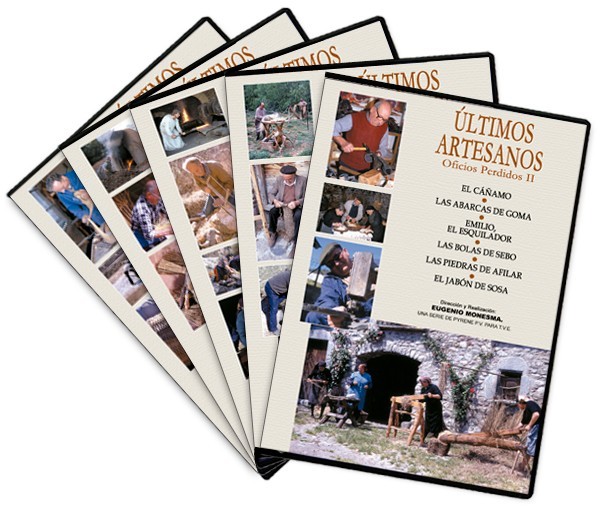
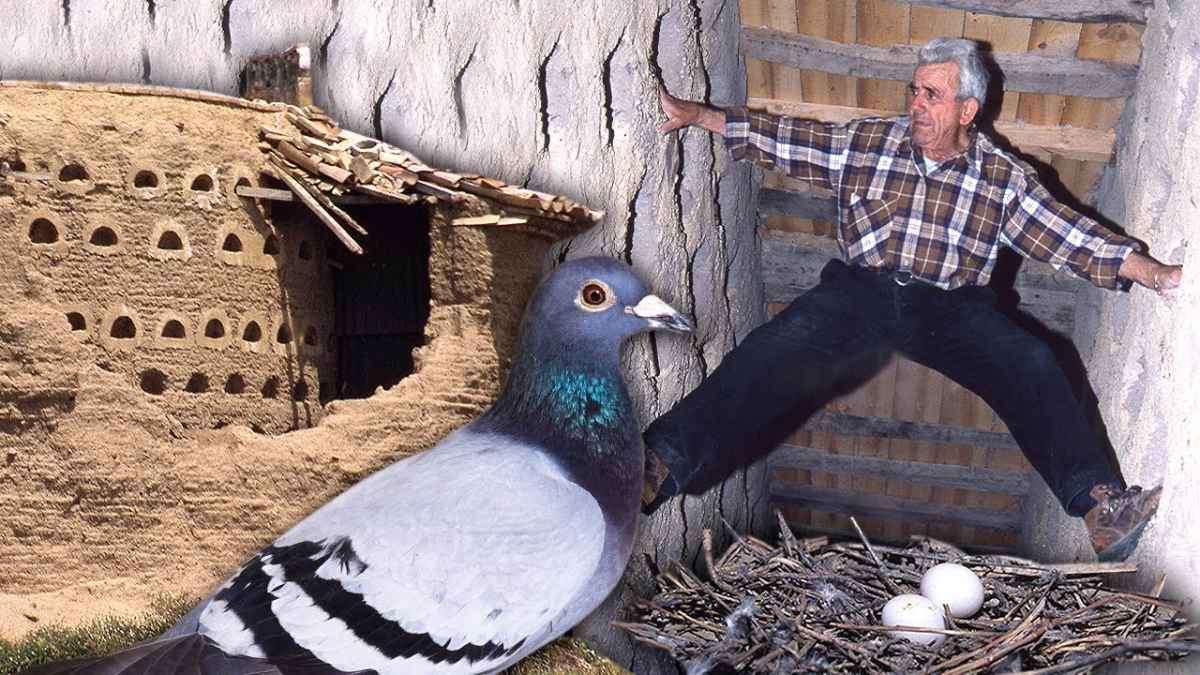
A documentary by Mr. Eugenio Monesma Moliner [1] shows us the secrets of a pigeon fancier for the care of pigeons, the setting of this audiovisual work is the Castilian-Leonese town of Villafáfila, in Zamora, in 1997, there, Mr. Germán Rodríguez Tapioles [2] , aged 76, was one of the few pigeon fanciers left in active service and shows us what the traditional profession of a pigeon fancier was like in Spain: "Every day I go and they're already waiting for me. They seem to know me and are delighted," he said. Edited in a collection of DVDs about lost trades. LOST TRADES 2. LAST ARTISANS In this second collection of the LOST TRADES series [3] we can see some tasks and jobs that are being forgotten, such as transhumance, slaughtering, soda soap or hemp, Germán, the Palomero, as well as other tasks. A total of 28 documentaries on Lost Trades that have been recovered in this curious collection.
Part 2 of the Series. A collection consisting of 5 DVDs: 5th The Forcaire - The Sabotier - The Wine - The Plasterers - Germán, the Pigeon Man [4] . For many years, characteristic buildings commonly known as dovecotes have been seen in the countryside of Castile. They all served the same purpose: breeding pigeons. A new documentary by Eugenio Monesma Moliner shows us what the work of a dovecote was like in clay boats. The dovecotes ranged in size, from square or rectangular to circular. Many of them are now in ruins, although some are still well preserved. Years ago, pigeons fed themselves in the fields. However, the widespread use of herbicides in agriculture forced them to feed on a diet based on cereal grains. As Germán explains, pointing to some holes in the wall, the small boats are used "for pigeons to breed, and they have to be made of clay."
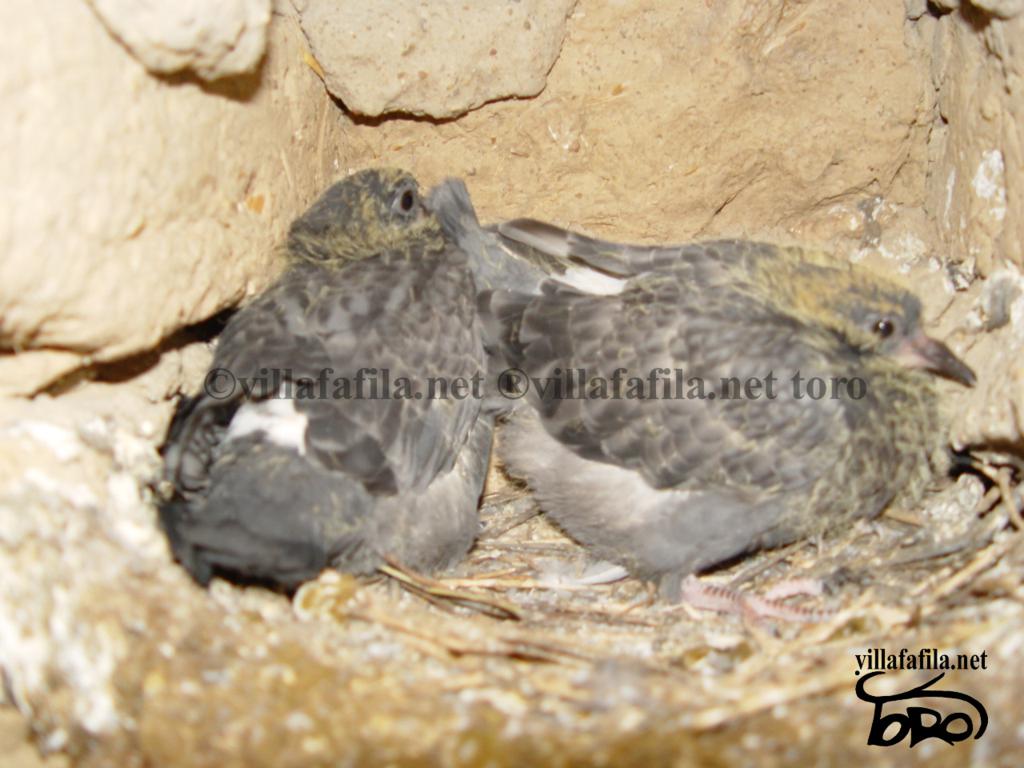
The pigeon fancier's work Pigeon keepers like him, then, were responsible for the care of these birds and, equally, also for trying to preserve their lives for as long as possible. Every day, Germán Rodríguez Tapioles watched, one by one, more than a thousand nests spread throughout the five naves of his dovecote.
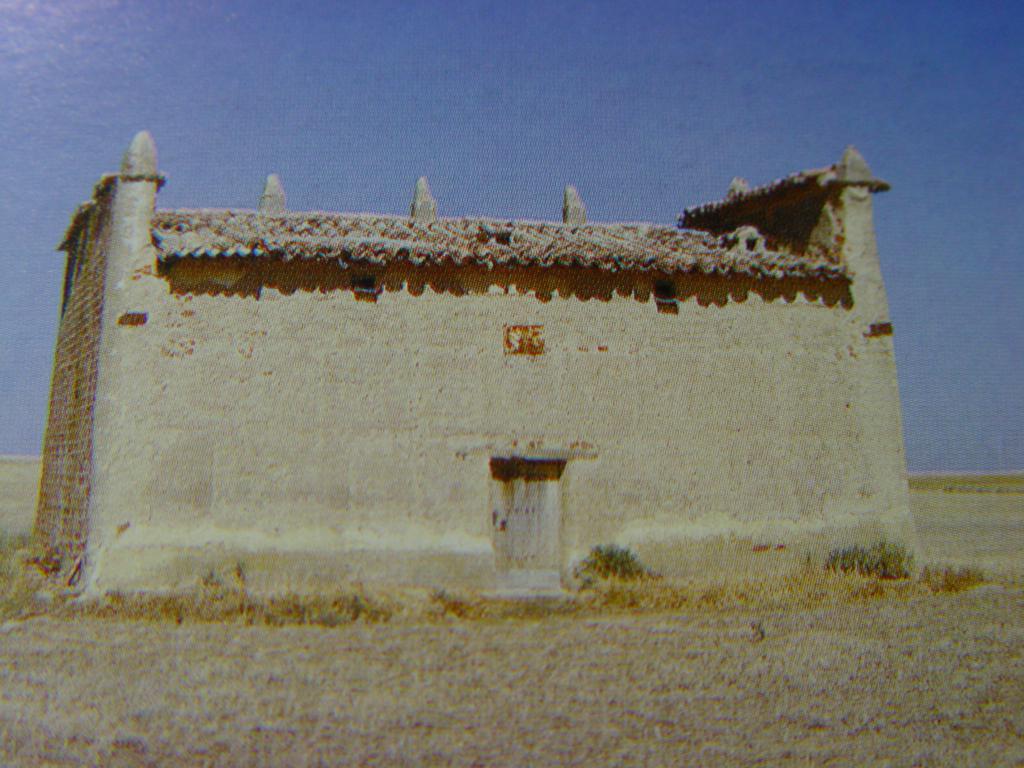
Specifically, the age of the dovecote is more than 80 years and in 1997 he decided to restore it to: "to preserve it and leave it as an inheritance for their children."
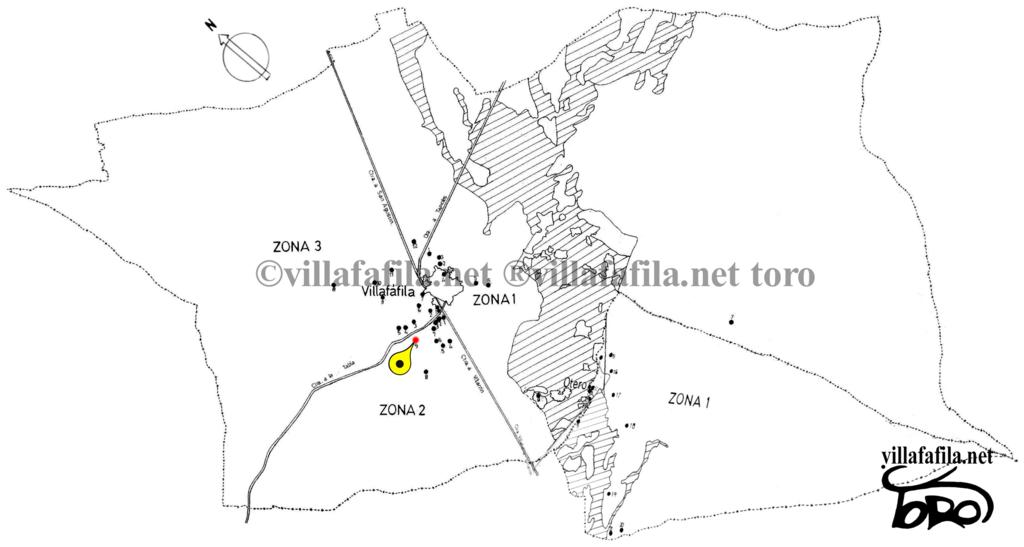
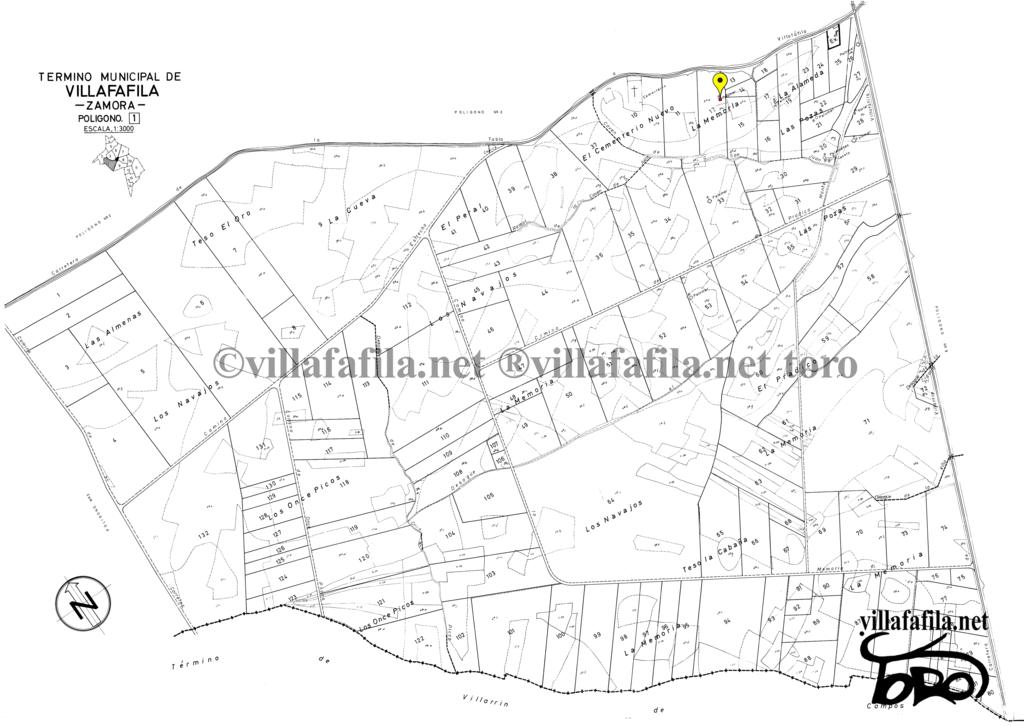
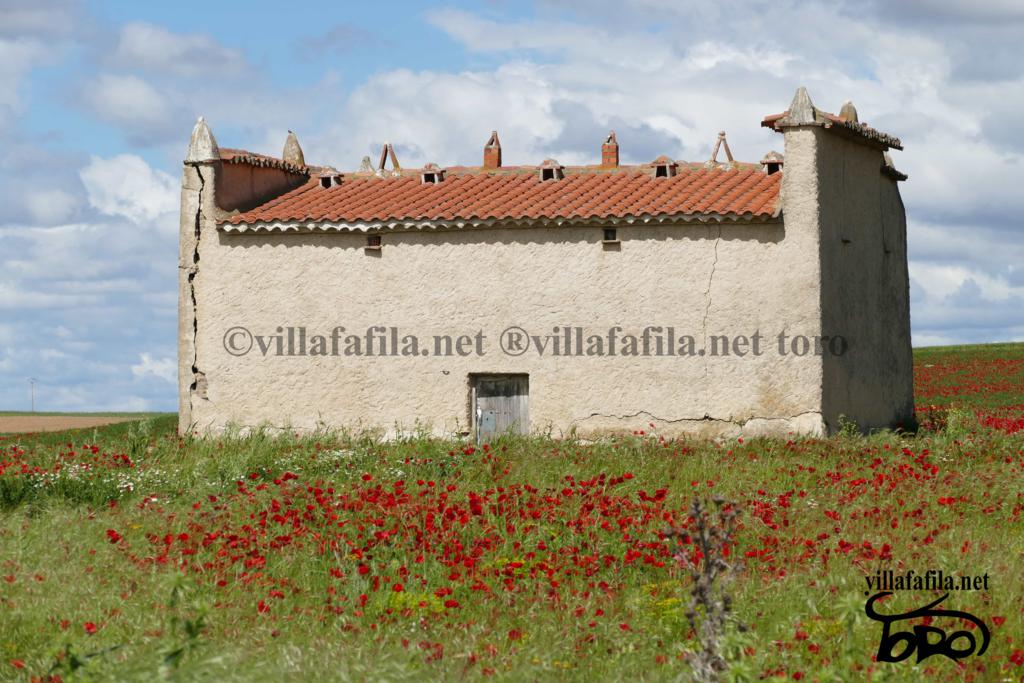
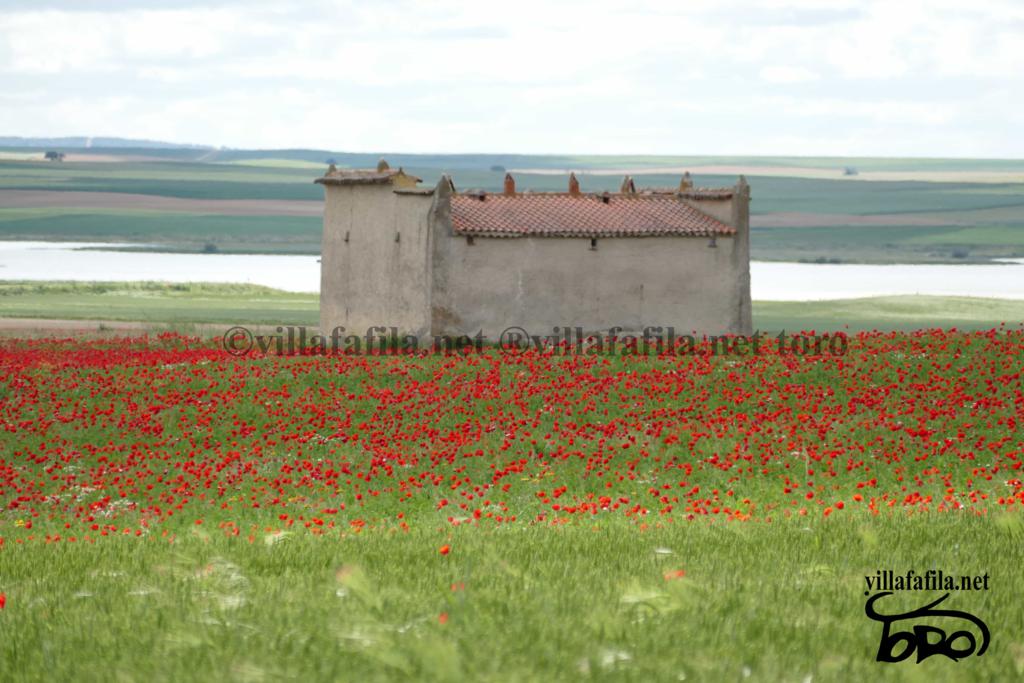
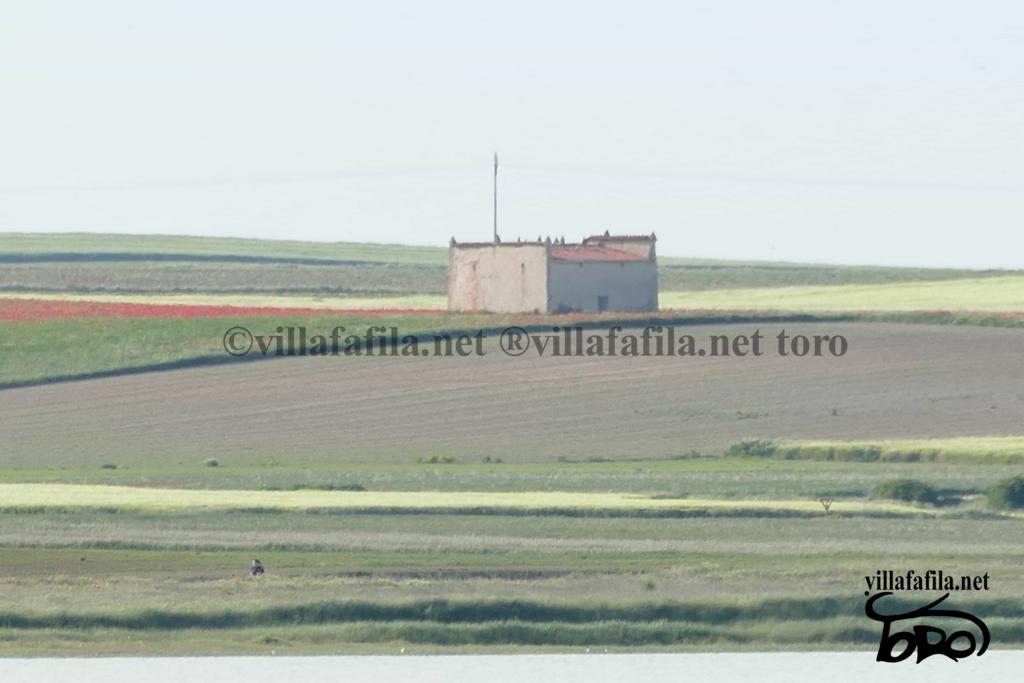
It also shows the cleaning tasks required to prevent unpleasant odors and allow its use year after year: "You have to have a little enthusiasm and come every day with food, like I do. This used to belong to my father-in-law, and now I run it. Many years have passed, and I'll continue with it as long as I can," Germán concluded. The dovecote The dovecote of Mr. Germán Rodríguez Tapioles, which he received from his father-in-law, is located in a good place in the municipality of Villafáfila, in the Lagunas de Villafáfila Nature Reserve, in the Memoria area, to the west, close to the town centre, approximately 322 m from the nearest house, at the top of a gentle hill, from where you also have a beautiful view of the unique Salina Grande, which is home to thousands of birds (1.4 km away), and Otero de Sariegos.
On the land consolidation map, it is located in polygon 1, no. 12.
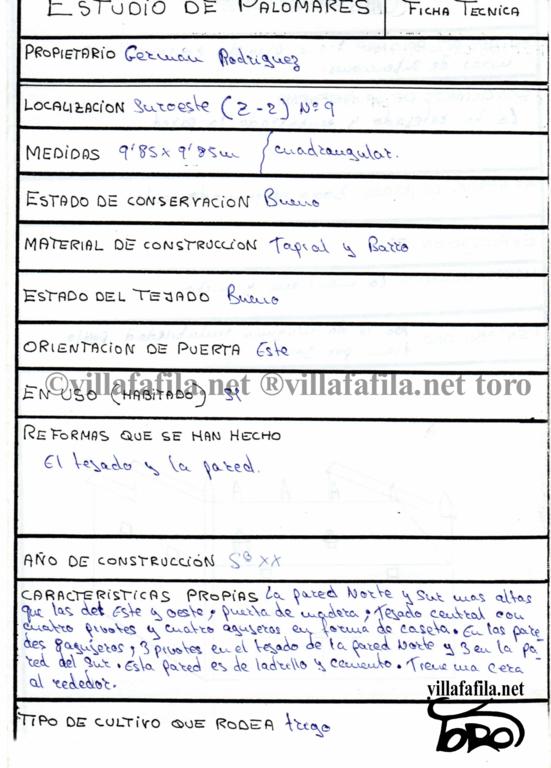
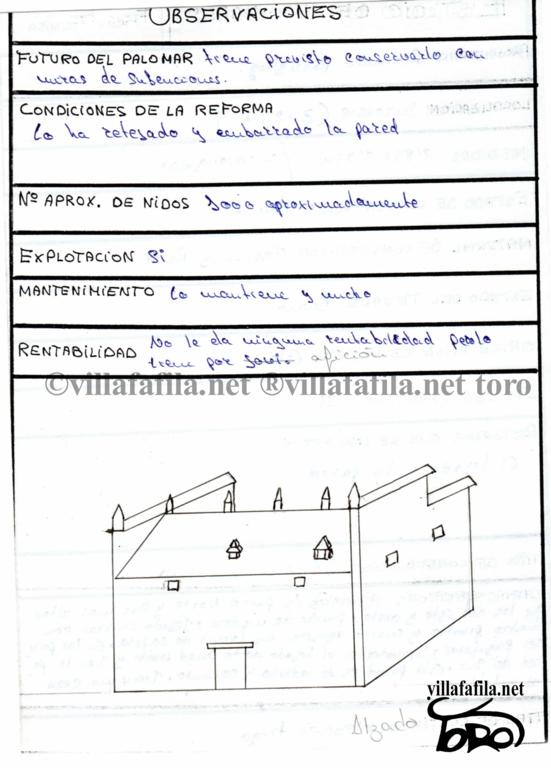
In 1993 the dovecotes of Villafáfila and Otero de Sariegos [5] were registered, through the House of Trades “Las Salinas de Villafáfila” Rural Tourism Workshop 1993, where the dovecote of Germán Rodríguez was recorded (field records) [6] .
As previously mentioned, the dovecote was restored in 1997, respecting its originality, from which the entire large lagoon and Otero de Sariegos can be seen.
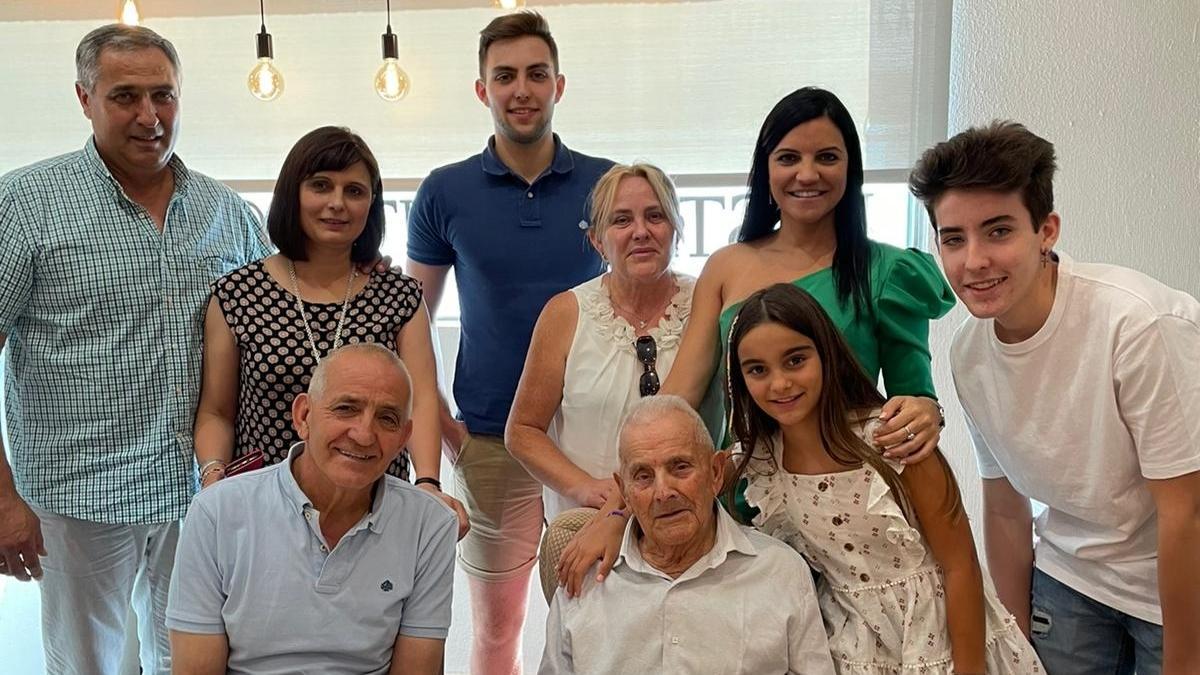
Mr. Germán Rodríguez Tapioles after that 1997 that was recorded continued for many years as a pigeon fancier, where he could be seen in the mornings through the town going on his bicycle loaded with a good sack of wheat, crossing the town from his house on Rosario Street, passing through San Juan Square, Santa Marta Street, to enter La Tabla road, taking the path that led him to the dovecote, which in its last part carried the food of the pigeons for their maintenance and to get the chicks in breeding. The law of life comes not by desire, but by force, already giving up making that transfer that with so much enthusiasm that he told us, he came to count in his life being a centenarian in 2021, to die in 2022.
But his dovecote remains a watchman on that gentle hilltop, knowing that he was lucky that his owner pampered him, restoring him, seeing how other adobe brothers in his vicinity had disappeared from his side, the dream of his owner would continue for the next generations, dwelling in the content of time and the seasons that follow one another from his privileged view towards the front of the Salina Grande and Otero de Sariegos.
Author: José Luis Domínguez Martínez: German the pigeon fancier from Villafáfila
Bibliography-Text:
Eugenio Monesma: https://es.wikipedia.org/wiki/Eugenio_Monesma
Eugenio Monesma Moliner: Lost Trades 2 - Last Craftsmen PYRENE PVSL https://www.documentalesetnograficos.es https://www.documentalesetnograficos.es/es/oficios_perdidos_2_ultimos_artesanos.php
Adriana Díaz / Jara y Sedal Magazine » Rural World - October 12, 2023 This documentary shows us what the traditional profession of pigeon fancier was like in Spain. A new documentary by Eugenio Monesma shows us the secrets of a pigeon fancier from Zamora, in 1997, for caring for pigeons. https://revistajaraysedal.es/oficio-palomero-pateras-barro.
1993 Census of Palomares de Villafáfila and Otero de Sariegos. “Las Salinas de Villafáfila” Trades House Rural Tourism Workshop 1993. Mr. Julian del Teso Gomez. José Luis Domínguez Martínez., Mrs. Begoña Martín Alonso, Mrs. Mª. Ángeles Fidalgo Gutiérrez., Ms. Alicia Gallego Seisdedos (Monitor)., Mr. Santiago Rodríguez Mansilla., Mr. Javier Fernández Fernández, Mr. Miguel Ángel Martín Ruiz. and Mrs. Maria Del Rocío Carnero Martín. They created a census book that was deposited in the Villafáfila Town Hall, which has since disappeared. José Luis Domínguez Martínez, a participant in the work, photocopied part of the book and kept the original field cards for Villafáfila and Otero de Sariegos, along with their maps. He has reconstructed as nearly as possible of this work. Census and methodology of the dovecotes 1993 Villafáfila and Otero de Sariegos https://villafafila.net/censo/censo.htm 1993 dovecote census in Villafáfila and Otero de Sariegos https://villafafila.net/zonas/zonas.html German Rodríguez Tapioles' Dovecote https://www.villafafila.net/zona2/9.htm
Centenary birthday in Villafáfila https://www.laopiniondezamora.es/comarcas/2021/08/17/cumpleanos-centenario-villafafila-56283473.html
Photographs:
Video: Transcription, assembly and layout: José Luis Domínguez Martínez.
All text, photographs, lithographs, transcription, assembly and layout are copyrighted by their authors. Any unauthorized use is prohibited.
All text, photography and lithographs have been authorized for storage, processing, work, transcription, assembly and layout to José Luis Domínguez Martínez, its dissemination in ©villafafila.net ®villafafila.net toro, and any other means that the authorized one deems appropriate. [1] Eugenio Monesma Moliner (Huesca, November 21, 1952) is a director and producer of ethnographic films known for more than 40 years of producing television documentary series on lost trades, our festivals, traditions, legends, traditional gastronomy, customs and rituals in the rural world of different parts of Spain, I have come to constitute one of the most important archives in Spain with more than three thousand ethnographic documentaries. He runs the production company Pyrene PV, based in Huesca, and is a member of the Royal Academy of Noble and Fine Arts of San Luis, the Aragonese Institute of Anthropology and the Spanish Association of Scientific Cinema (ASECIC), among others.3 He has made various productions for Aragón Televisión, including the series Nos vemos en la Plaza Mayor, Los secretos de las piedras and Raíces Vivas.145 Since 2002 he has worked with Canal Cocina where he has been on air for more than 23 uninterrupted seasons with his program Los Fogones Tradicionales. [2] German Rodríguez Tapioles (Villaveza del Agua 1921–Villafáfila 2022). [3] Lost Trades 2 - Last Craftsmen. https://www.documentalesetnograficos.es https://www.documentalesetnograficos.es/es/oficios_perdidos_2_ultimos_artesanos.php . [ 4] 2nd Part of the Series. Genre: Collections. Video format: 4:3. Legal deposit: HU-125-2004. Year/years of recording: 1991, 1995, 1996, 1997. Duration: 7 hours. Recording location: HUESCA, LERIDA, ZARAGOZA, SEGOVIA, TERUEL, FRANCE, GUIPUZCOA, BARCELONA, ZAMORA [5] Census of Palomares de Villafáfila and Otero de Sariegos 1993. Casa de Oficios “Las Salinas de Villafáfila” Rural Tourism Workshop 1993. Mr. Julián del Teso Gómez. Mr. José Luis Domínguez Martínez., Mrs. Begoña Martín Alonso, Mrs. Mª. They created a book of said census that was deposited in the Town Hall of Villafáfila, which has subsequently disappeared. José Luis Domínguez Martínez, participant in the work, photocopied part of the book, keeps the original field cards of Villafáfila and Otero de Sariegos plus their maps. He has reconstructed as nearly as possible of said work. Census and methodology of the dovecotes 1993 Villafáfila and Otero de Sariegos https://villafafila.net/censo/censo.htm Census of dovecotes 1993 Villafáfila and Otero de Sariegos https://villafafila.net/zonas/zonas.html Dovecote of German Rodríguez Tapioles https://www.villafafila.net/zona2/9.htm [6] Field cards of Villafáfila and Otero de Sariegos preserved by José Luis Domínguez Martínez. |
||||||||||||||||||||||||||||||||||||||||||||||||||||||||||||||||||||||